Industrial duct cleaning is a critical but often overlooked part of facility maintenance. In manufacturing plants, commercial kitchens, warehouses, and processing units, duct systems handle large volumes of air along with dust, grease, fumes, and chemical particles. Over time, these contaminants accumulate inside the ductwork, affecting airflow, safety, and operational efficiency.
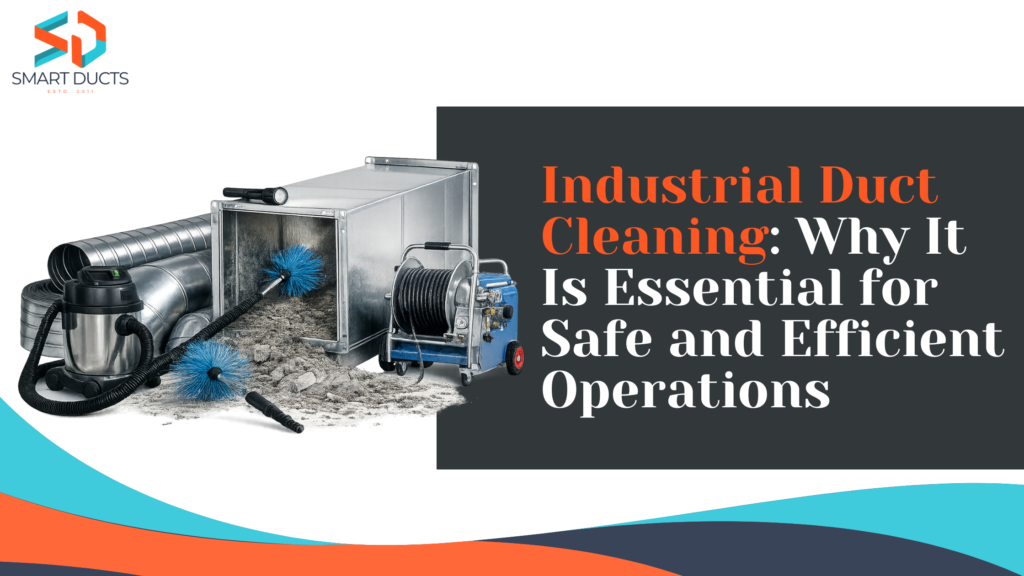
Regular industrial duct cleaning is not just about cleanliness. It directly impacts energy consumption, fire safety, indoor air quality, and equipment lifespan.
What Is Industrial Duct Cleaning
Industrial duct cleaning involves the thorough removal of dust, debris, grease, and contaminants from HVAC and exhaust duct systems used in large scale facilities. Unlike residential systems, industrial ducts operate continuously under heavy loads and are exposed to harsher airborne particles.
Cleaning typically includes supply ducts, return ducts, exhaust lines, filters, fans, and air handling units using specialized equipment and trained technicians.
Why Industrial Duct Cleaning Is Important
Industrial facilities generate airborne pollutants that settle inside duct systems. Studies indicate that clogged or dirty ducts can reduce airflow efficiency by up to forty percent. This forces HVAC systems to work harder, increasing energy costs and mechanical wear.
In facilities such as food processing units and commercial kitchens, grease buildup inside ducts significantly increases fire risk. Regular duct cleaning reduces this hazard and helps meet safety regulations.
Impact on Air Quality and Worker Health
Poor indoor air quality is a common issue in industrial environments. Dust, fumes, and microbial growth inside duct systems can circulate throughout the workspace. Prolonged exposure to these pollutants may lead to respiratory issues, allergies, and reduced productivity among workers.
Clean duct systems help maintain healthier air, which supports employee well being and compliance with workplace safety standards.
Energy Efficiency and Cost Savings
Clean ducts allow air to move freely through the system, reducing pressure loss and improving overall HVAC performance. Facilities with clean ductwork often experience lower electricity consumption and fewer equipment breakdowns.
Although industrial duct cleaning requires an upfront investment, it leads to long term cost savings by reducing energy waste, extending equipment life, and minimizing unplanned downtime.
How Often Should Industrial Ducts Be Cleaned
The frequency of industrial duct cleaning depends on the type of industry, operating hours, and level of airborne contamination. Facilities with heavy dust, grease, or chemical emissions may require cleaning every six to twelve months. Other industrial setups may follow a one to two year cleaning schedule based on inspection results.
Regular inspections help determine the right cleaning interval and prevent excessive buildup.
Compliance and Safety Standards
Many industries are required to follow health, safety, and fire regulations related to ventilation systems. Clean ductwork supports compliance with these standards and helps avoid penalties or operational disruptions during inspections.
Conclusion
Industrial duct cleaning is an essential maintenance practice that supports safety, efficiency, and regulatory compliance. Clean ducts improve airflow, reduce fire risks, lower energy costs, and contribute to a healthier working environment.
For industrial facilities, duct cleaning should not be treated as an optional service. It is a necessary step toward sustainable operations, equipment protection, and employee safety.